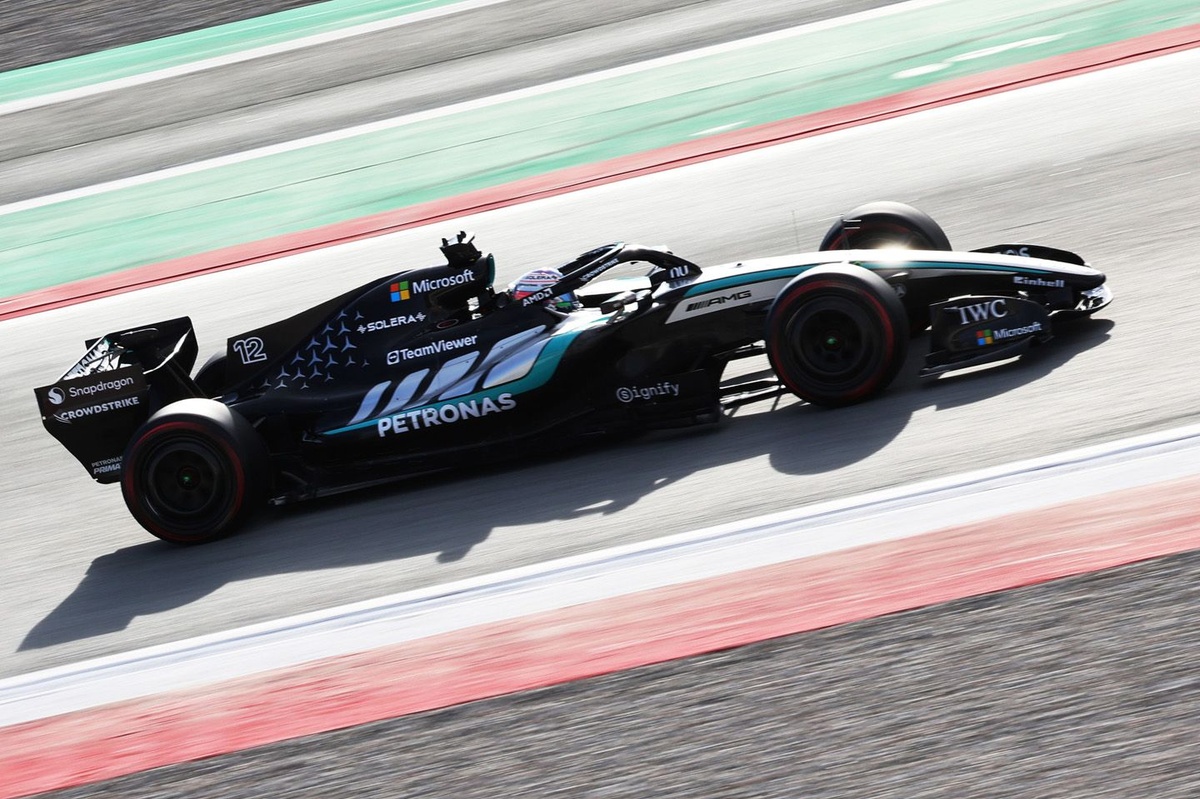
Recent changes to Formula 1 regulations have sparked concerns among fans and teams about potential impacts on racing dynamics. Specifically, the new rules appear to encourage drivers to downshift earlier on straights and adopt lift-and-coast techniques to manage fuel consumption and tire wear.
However, recent statements from drivers and team principals have helped soothe these fears. George Russell, a prominent F1 driver, acknowledged that while the regulations promote certain driving styles, they do not compromise the overall excitement and competitiveness of the sport.
Under the new rules, teams are allowed more flexibility in managing engine modes and energy recovery systems, which has led to speculation about possible strategic shifts. Some feared that these changes might reduce overtaking opportunities or make racing more predictable. Nevertheless, officials and drivers have emphasized that the regulations aim to enhance efficiency without sacrificing the thrill of racing.
Teams have been working diligently to adapt their strategies, focusing on optimizing downshifting points and energy deployment. The emphasis on fuel efficiency and energy management is part of F1's broader push towards sustainability, aligning with global efforts to reduce carbon emissions.
Despite initial apprehensions, the consensus among stakeholders is that the new rules will lead to more strategic diversity rather than uniform driving styles. This has reassured fans and experts that the racing will remain engaging and unpredictable.
In conclusion, while the regulations encourage certain driving techniques like downshifting on straights and lift-and-coast, the overall outlook remains positive. The sport continues to evolve, balancing technological innovation with the excitement that fans cherish. As teams gain more experience with the new rules, it is expected that the racing will become even more dynamic and strategic, maintaining F1’s reputation as the pinnacle of motorsport entertainment.